

An independent homeowner's guide
Hiring a Roofer in Boise
The roof is the easy part to picture. The hard part is everything around it: choosing the contractor, reading three bids that describe three different roofs, signing a contract you understand, and knowing what a good install day looks like. This guide walks you through each step, in order.
The hire, start to finish
Five stages. Most mistakes happen in the first two.
Homeowners tend to spend their energy on shingle color and very little on the paperwork. The order below is the order money changes hands, and each stage links to a full guide.
Begin at stage one-
The Vetting.
Look up the state registration yourself, get the insurance certificate straight from the agent, and ask how the roofer handles lien waivers. Ten minutes here prevents most of the horror stories.
-
The Bids.
Two bids with the same total can describe different roofs. Compare tear-off, underlayment, flashing, ventilation and decking allowances line by line before you look at the bottom number.
-
The Contract.
A written scope, a start window, a payment schedule tied to finished milestones, change-order rules and the warranty terms. If it is not on paper, assume it is not included.
-
The Install.
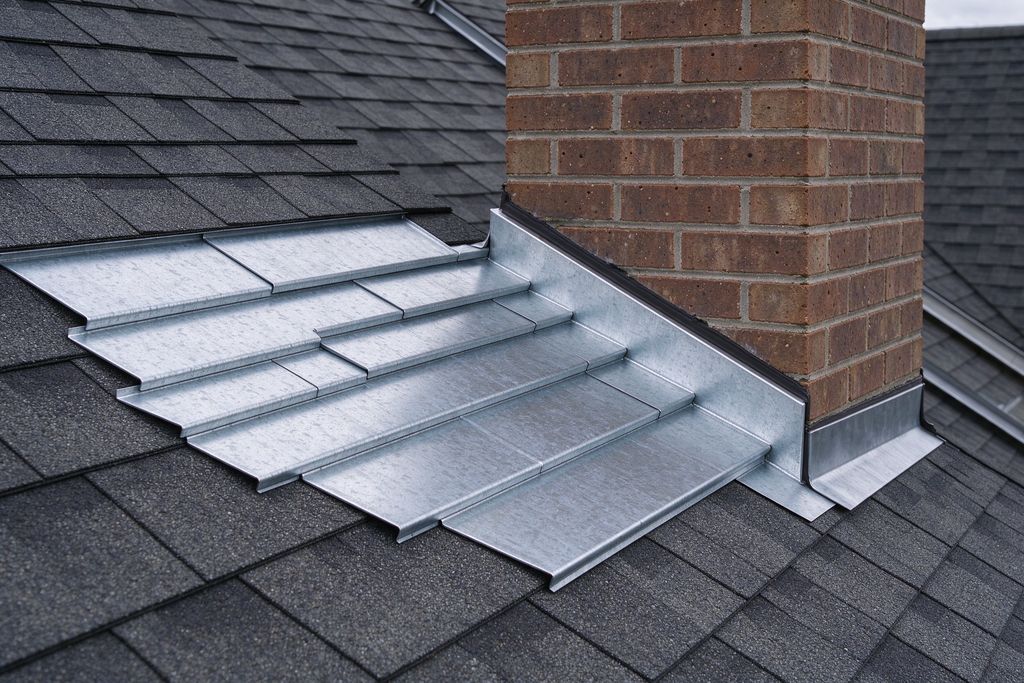
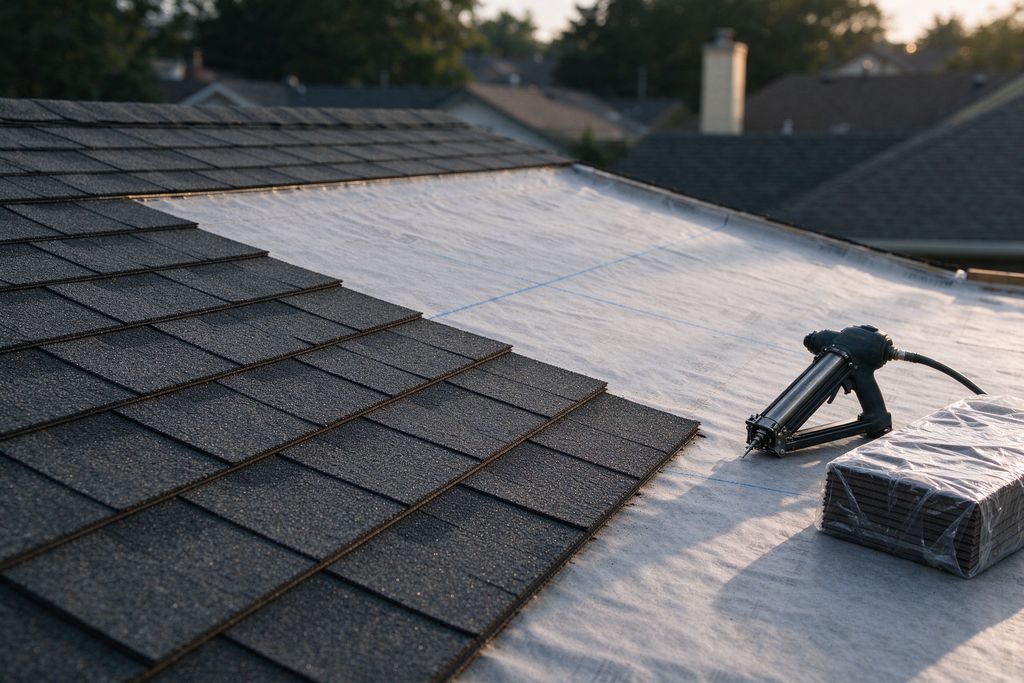
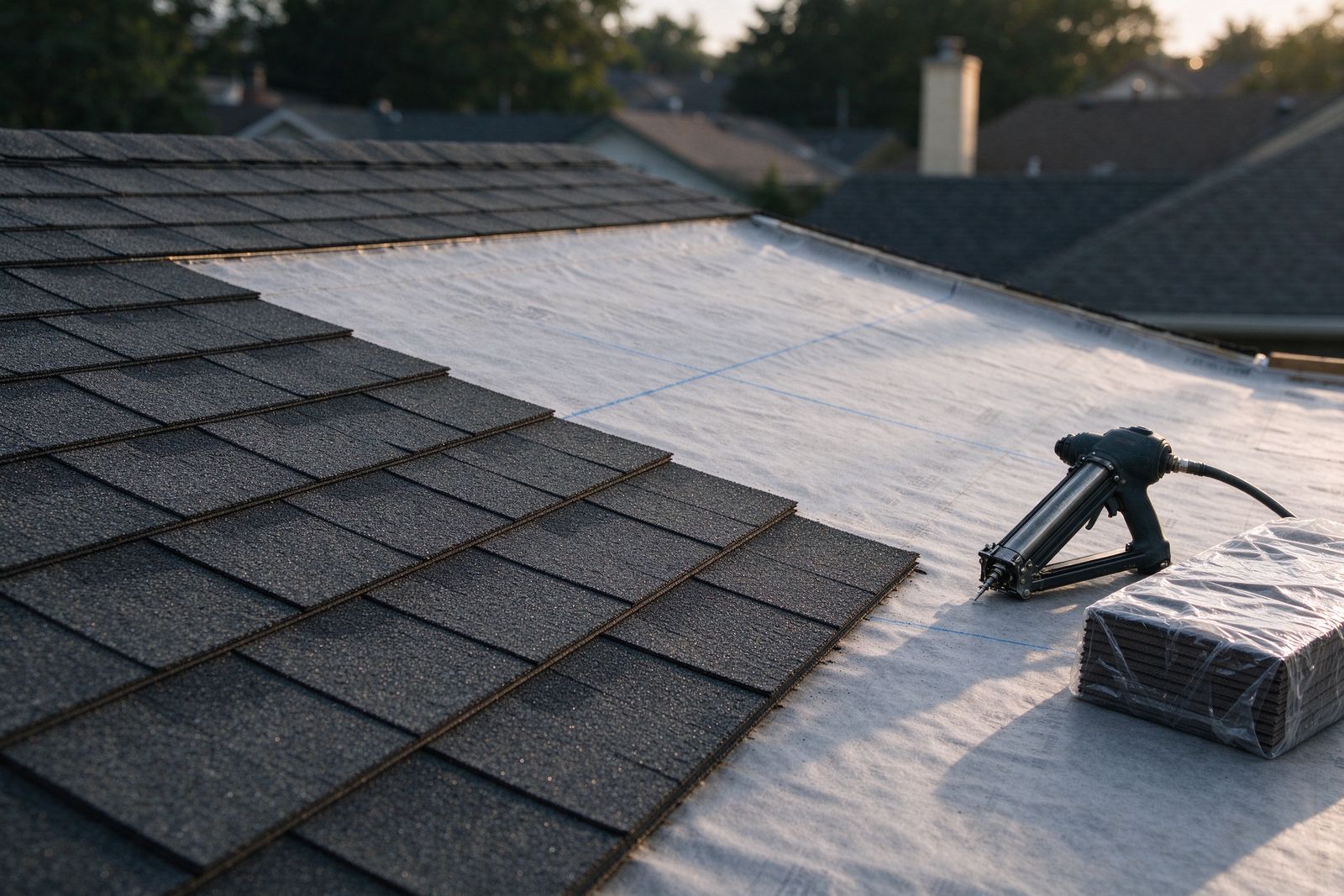
Tear-off is loud and fast. The quiet parts matter more: deck inspection, flashing at walls and chimneys, and the permit inspection your city may require.
-
The Sweep.
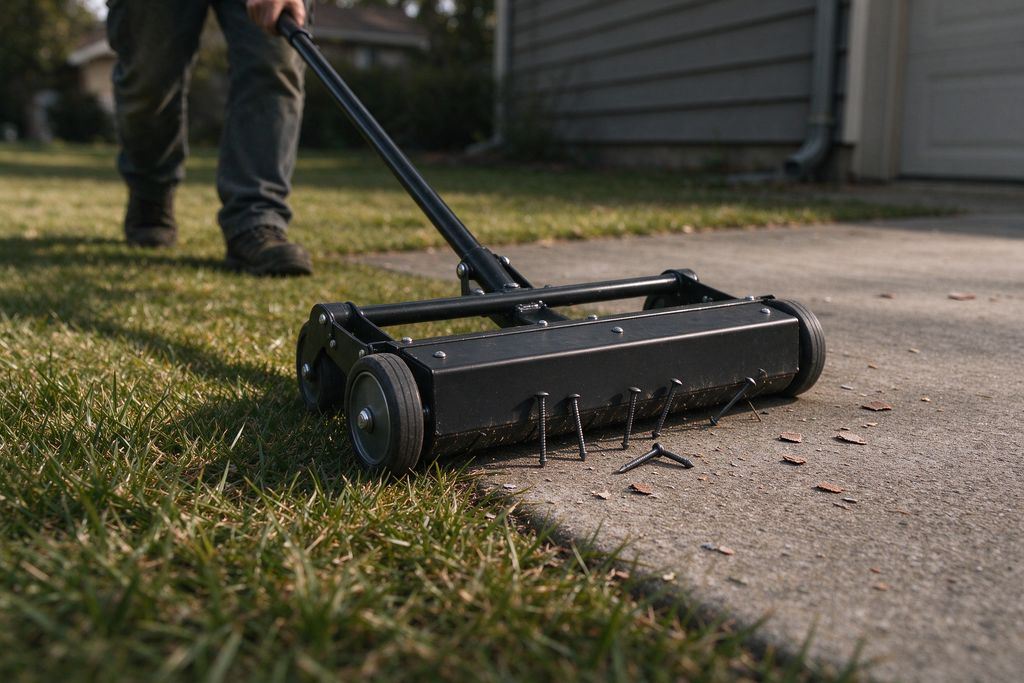
Tarps come off, the magnet rolls across the lawn and driveway, and you walk the property with the crew lead. Final payment comes after that walk, not before.
Sheet 02: Paperwork
Four documents to hold before work starts
Every roof replacement produces a stack of paper. These four are the ones that protect you if something goes wrong. Hover or tap each one below.
Document 01
Registration lookup
A screenshot of the state record. Idaho runs a contractor registration program with a public search. Search the company name and the number on the bid yourself, check that the names match, and save the result with your other paperwork. Rules and exemptions change, so verify the current requirements with the state.
Document 02
Certificate of insurance
Sent by the agent, naming your address. Ask for a certificate showing general liability and, if the roofer has employees, workers' compensation. Have the insurance agent send it to you directly and call the agent to confirm the policy is active for the dates of your job.

Document 03
Signed contract
Scope, schedule, payments, warranty. The bid becomes the contract only when the scope, materials, start window, payment schedule, change-order process, cleanup and warranty terms are written down and signed by both of you.
Document 04
Lien waivers
One for every payment you make. Ask for a lien waiver from the roofer with each payment and, for larger jobs, from the main supplier. It is your record that the money you paid actually reached the people who furnished labor and materials.

07 / The guides
Read the one you need right now
Each guide stands on its own. Start wherever you are in the process, whether that is a storm knock at the door or a stack of bids on the kitchen table.
-
Registration lookups, insurance certificates, lien waivers and references.
Read the vetting roofers guide -
Read two or three estimates line by line so you compare the same roof.
Read the comparing bids guide -
What the written agreement should say and how payments track the work.
Read the contracts and payments guide -
Tear-off, deck checks, inspections, cleanup and the magnet sweep.
Read the install day guide -
Manufacturer coverage versus workmanship coverage, in plain terms.
Read the warranties guide -
The pitches, pressure tactics and paperwork tricks to walk away from.
Read the red flags and storm chasers guide -
Keeping a new roof healthy through Treasure Valley heat, wind and freeze.
Read the roof maintenance guide
Before you sign
Six questions to ask every roofer
Ask all of them, of every contractor, in the same words. The answers are easier to compare than the bids.
-
Who will actually be on my roof?
Your own crew or subcontractors? Who is the lead on site, and how do I reach that person during the job? A roofer who subcontracts is not automatically a problem; not knowing who shows up is.
-
What happens if you find bad decking?
Sheathing damage is only visible after tear-off. Ask how it is priced, per sheet or per square foot, and require that the crew show you the damage or photograph it before replacing anything.
-
How will you flash the walls, chimney and vents?
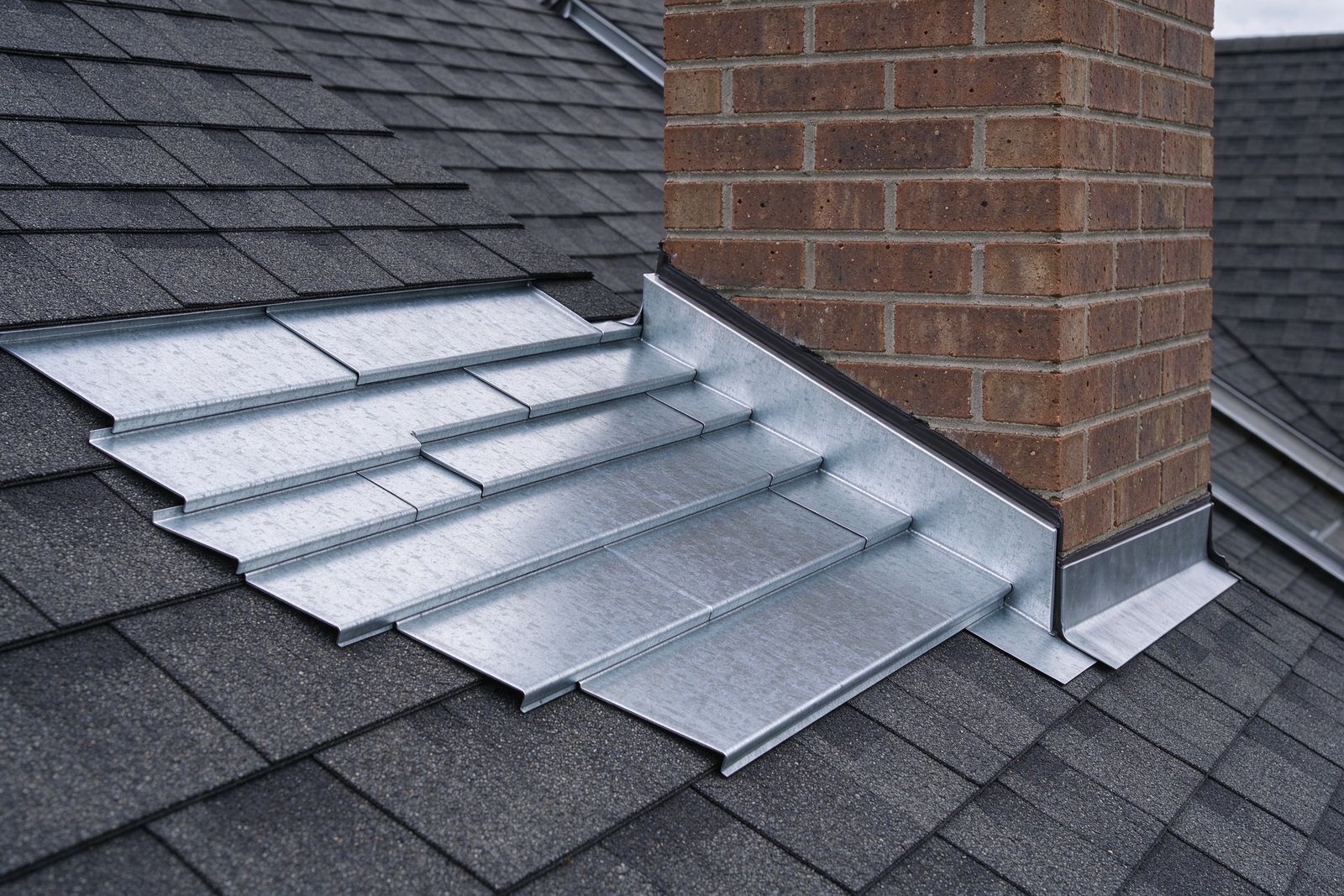
Most leaks start at transitions, not in the middle of the field. Ask whether flashing is replaced or reused, and what goes on at each wall, chimney and pipe.
-
Who pulls the permit and books the inspection?
Many Treasure Valley cities require a permit for reroofing. Ask who applies for it, whose name is on it, and when the inspection happens relative to your final payment.
-
What does your workmanship warranty cover, in writing?
Labor coverage is separate from the manufacturer's material warranty. Ask for the written terms, how long they run, and what you must do to keep them valid.
-
What do you need from me on install day?
Access, cars out of the driveway, pets inside, items off the walls inside the house because nailing shakes them. A good roofer has an answer ready.
Common questions
Hiring questions, answered plainly
Still unsure about a bid or a contractor? Check the red flags or send us your project.
Is Roofers in Boise a roofing company?
No. This is an independent guide for homeowners. We do not install, repair, inspect or price roofs. The request form lets you describe your project and ask to be put in touch with roofers; any contractor you hire is your own choice, so vet them with the steps on this site.
How many bids should I get for a Boise roof replacement?
Two is the minimum for a meaningful comparison and three is common. Past three, most homeowners find the extra time is better spent checking the paperwork of the finalists than collecting more numbers.
Does a roofer need to be registered in Idaho?
Idaho runs a contractor registration program through the state licensing agency, which publishes a public lookup. Ask for the registration number, search it yourself, and confirm the current rules with the state, since requirements and exemptions can change.
What should I ask for besides a price?
A written, itemized scope, a certificate of insurance sent from the insurance agent, the warranty terms in writing for both materials and labor, a payment schedule tied to milestones, and an answer about who pulls the permit.
Should I sign the contract the day the roofer visits?
There is rarely a good reason to. A legitimate roofer expects you to compare bids and read the contract. A price that is only good today is a sales tactic, not a property of your roof.
What is a lien waiver and why would I want one?
It is a signed statement that a contractor, subcontractor or supplier has been paid for work or materials up to a point and gives up lien rights for that amount. Collecting them with each payment helps protect you from paying twice if your roofer fails to pay a supplier.
Who cleans up after the job?
Cleanup should be written into the contract: tarps over landscaping, debris hauled away, gutters cleared, and a magnetic sweep of the lawn, driveway and beds for nails. Walk the property with the crew lead before final payment.
How long do roofing warranties last?
It depends entirely on the manufacturer, the product line, how it was installed and registered, and what the roofer separately promises for labor. Read both documents. A long material warranty does not cover installation mistakes unless the paperwork says so.
No question matches that filter.
Ready for bids
Describe your roof once.
- 01Tell us where you are in the Treasure Valley and what the roof needs.
- 02Say whether we may share your project details with local roofing contractors.
- 03We reply by email about next steps. You decide who, if anyone, to hire.