Why the Treasure Valley climate matters
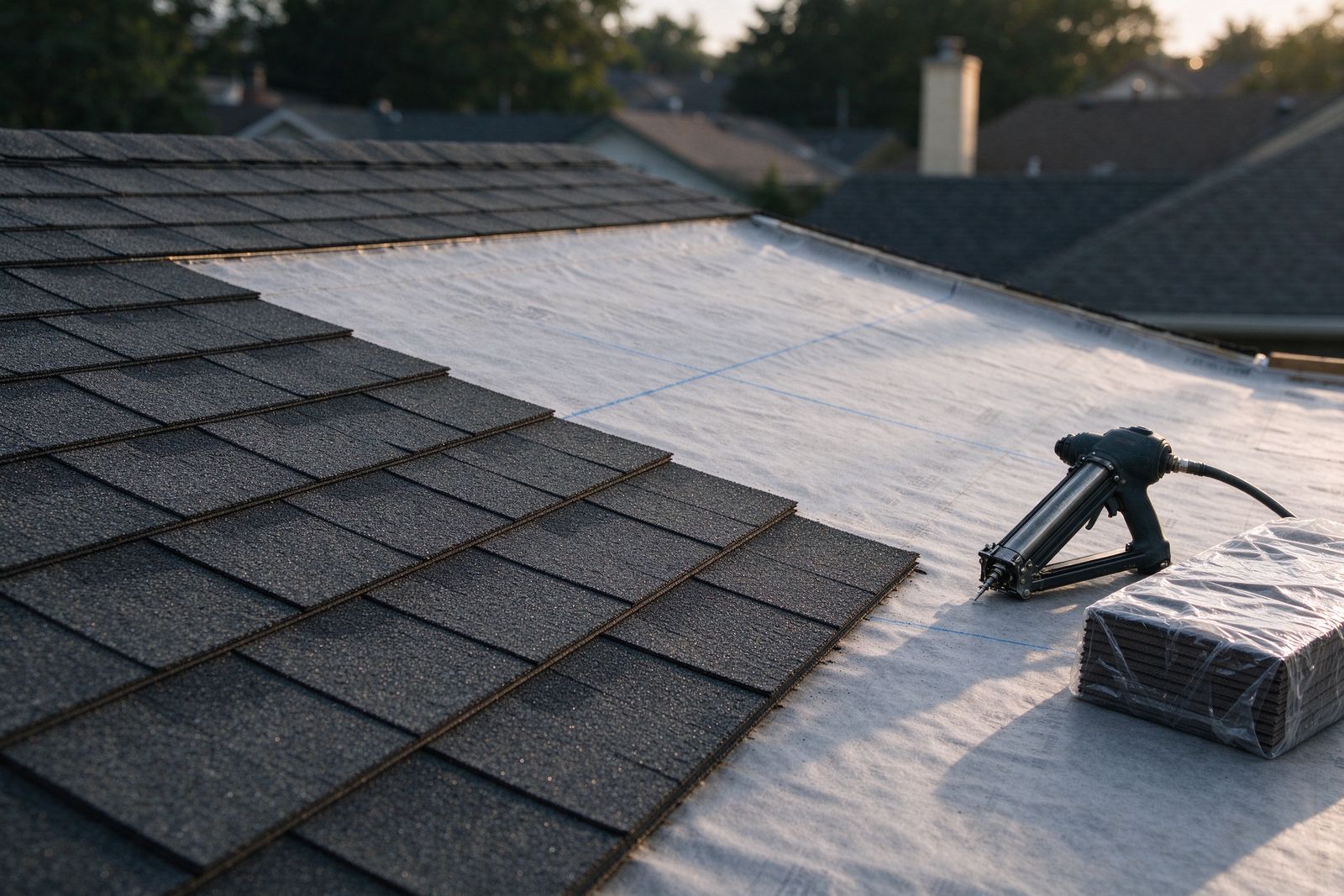
Boise sits in a high desert valley. Summers are hot, dry and bright, winters are cold with periodic snow, and the swing between seasons is large. A roof here deals with strong sun and heat for months, then freeze-thaw cycles where water gets into small gaps, freezes, expands and melts again. Spring and summer storms add wind and, now and then, hail.
None of that means a well-installed roof is fragile. It means the small things, like a clogged gutter, a lifted tab or a blocked attic vent, have more chances to turn into bigger ones. Routine checks catch them early, and many warranties expect that kind of basic care (see the warranties guide for how neglect exclusions work).
Season by season
Hover or tap a season to see what to look for.
-
Wind and runoff. Spring winds in the valley can lift loose shingle tabs and drop branches. After the snow is gone, look from the ground for missing pieces, lifted edges and debris in valleys. Clean gutters once the trees have finished shedding seeds and blossoms, and check that downspouts send water well away from the foundation.
-
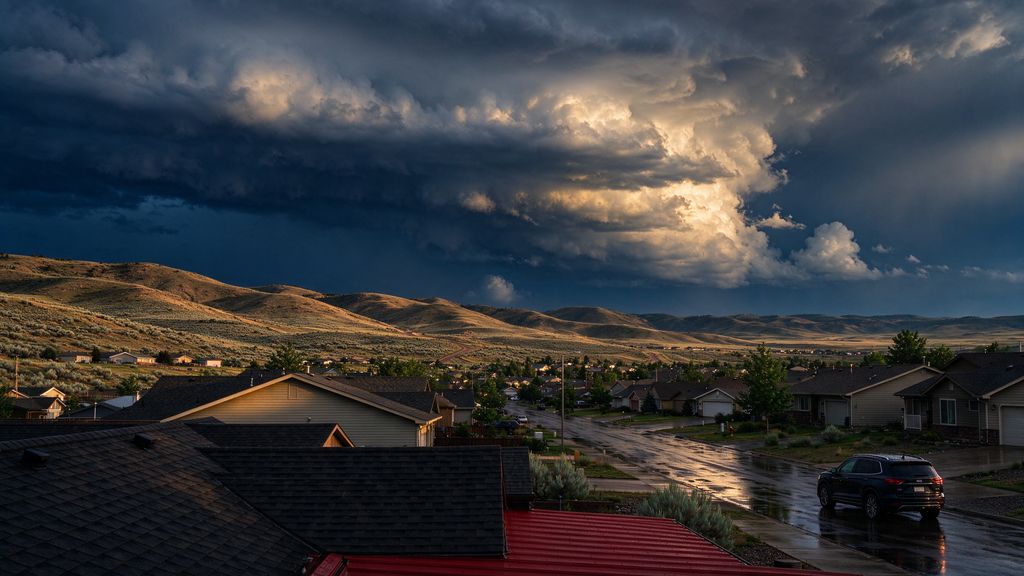
Heat, sun and storms. Long, hot, dry stretches and strong sun are hard on roofing materials and on attics. Make sure attic vents are not blocked by insulation or stored boxes. After a thunderstorm, especially one with hail, check gutters and downspouts for a heavy wash of granules and look for dents on vents and flashing.
-
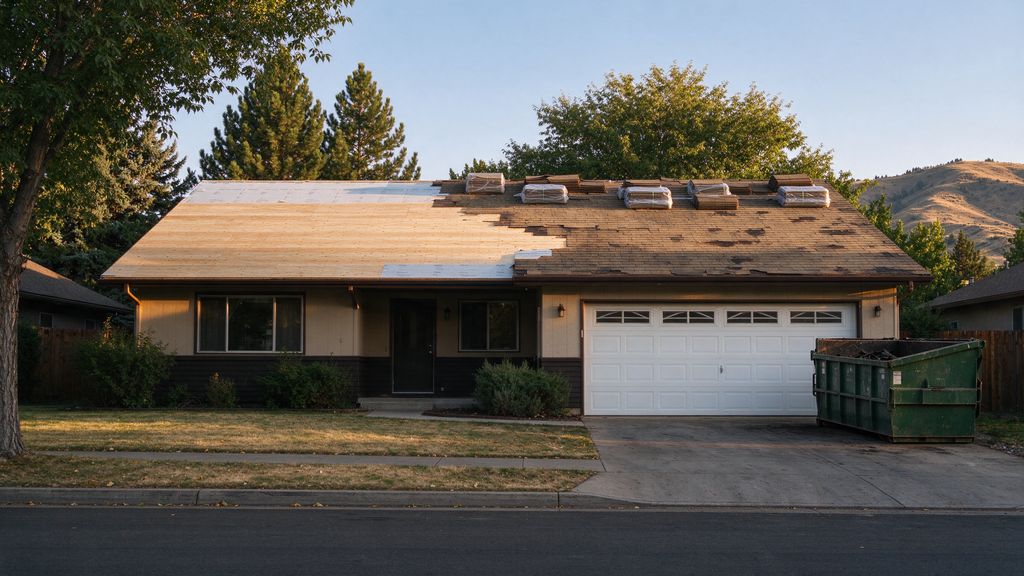
Leaves and prep. Clear gutters and valleys after leaf drop, since wet leaves trap water against the roof edge and freeze in place later. Trim branches that hang over or touch the roof. It is also the easiest time to have a roofer look at anything you noticed during the year, before winter scheduling gets tight.
-
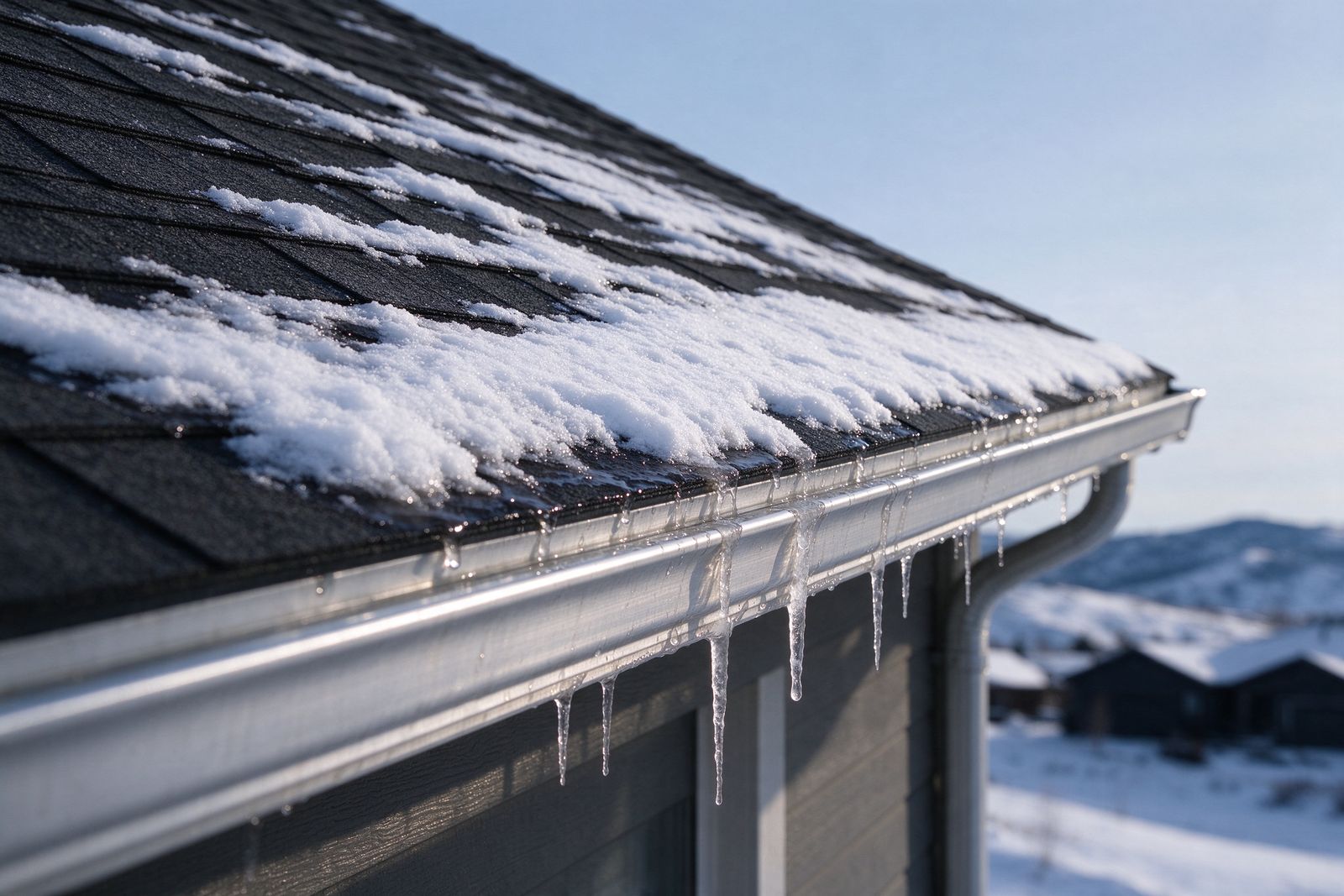
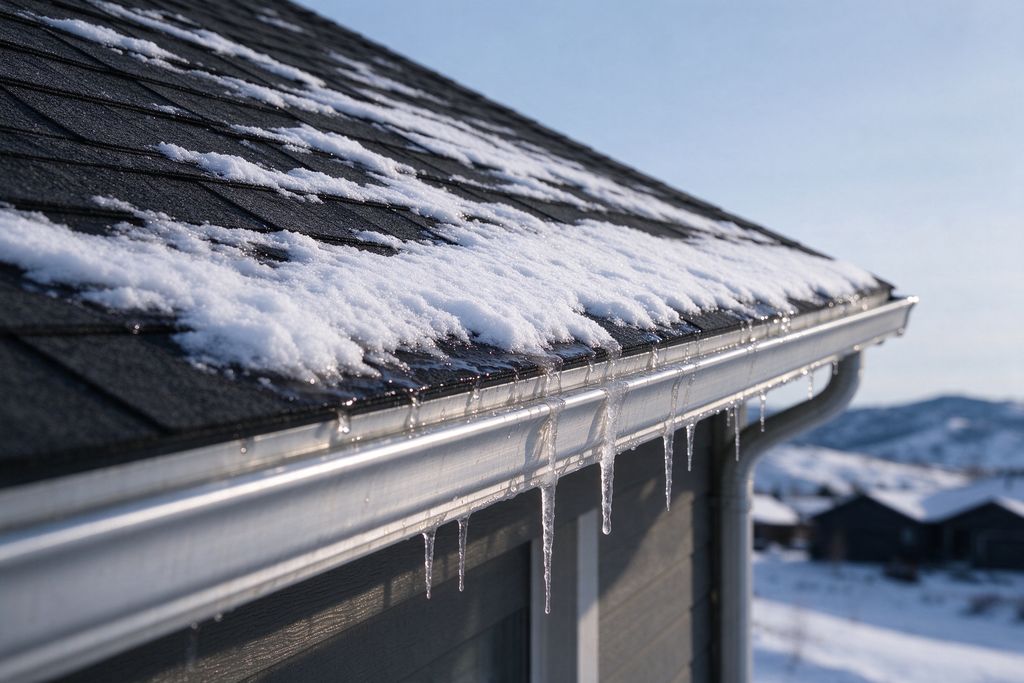
Snow and freeze-thaw. Boise winters bring cold snaps, some snow and repeated freeze-thaw cycles. Icicles and ice ridges at the eaves usually point to heat escaping into the attic and melting snow from below. Do not chip ice off the roof or climb up in winter; note what you see and ask a roofer about insulation and ventilation.
Gutters and attic air do most of the work
Two systems quietly decide how long a roof lasts: the gutters that carry water away, and the attic ventilation that keeps the underside of the deck dry and closer to outdoor temperature.
Gutters should run clear and drain away from the house. When they clog, water backs up under the roof edge and, in winter, freezes into ridges that hold more water behind them. Clean them at least in fall and spring, more if you have large trees nearby. After any roof work or a heavy storm, look for granules collecting in the gutters; a little is normal on a new roof, while a lot later in life can signal wear or hail damage.
Attic ventilation works by pulling air in low at the eaves and letting it out high near the ridge. If insulation or stored items block the soffit vents, the attic runs hot in summer and damp in winter. Once or twice a year, look into the attic with a flashlight: dark staining, frost on nails in winter, or a musty smell are worth a call.
| What you notice | What it might mean | Next step |
|---|---|---|
| Icicles and ice ridges at the eaves | Heat escaping into the attic, or gutters clogged | Ask about attic insulation and ventilation |
| Heavy granules in gutters | Storm impact or surface wear | Photograph and have a roofer look |
| Stain on a ceiling | A leak, often at a flashing or vent | Call the installer under your workmanship warranty |
| Lifted or missing shingle tabs | Wind damage | Repair before the next storm |
What not to do
- Do not walk the roof. It is dangerous, and foot traffic can damage the surface. Use binoculars or a phone camera from the ground.
- Do not pressure-wash it. High-pressure water can strip granules and drive water under laps.
- Do not chip at ice. You will damage the shingles and gutters before you damage the ice.
- Do not let others drill into it. Satellite, solar and vent installers can create leaks and affect warranties. Ask your roofer first.
When to call the roofer back
- you see a ceiling stain or active dripcall the installer right away with photos
- a storm drops hail or strong windphotograph from the ground, then follow the calm sequence in the storm guide
- something looks off but is not leakingnote it and ask at a convenient time
- you need a new roofer for repairsuse the vetting steps again
Keep the install folder from the final walk handy. Warranty claims, insurance questions and future sales all go faster when the paperwork is in one place.
Quick answers
How often should I check my roof?
A quick look from the ground in spring and fall, plus after any storm with strong wind or hail, covers most homes. Gutter cleaning may need to happen more often if you have large trees.
Is it normal to find granules in the gutters after a new roof?
Some loose granules in the first months are common as excess granules wash off. A heavy or continuing loss years later, or right after a hailstorm, is worth having a roofer look at.
Should I remove snow from my roof?
For most Boise homes, normal snow loads are not a reason to get on the roof, and doing it yourself is risky. If you see large ice ridges or leaks, call a roofer and ask about the attic insulation and ventilation behind them.
Do moss and algae matter in Boise?
The dry climate keeps them less common than in wetter regions, but shaded north-facing slopes under trees can still grow them. Trimming branches to let in sun and air usually helps more than any cleaning product.