How the script usually goes
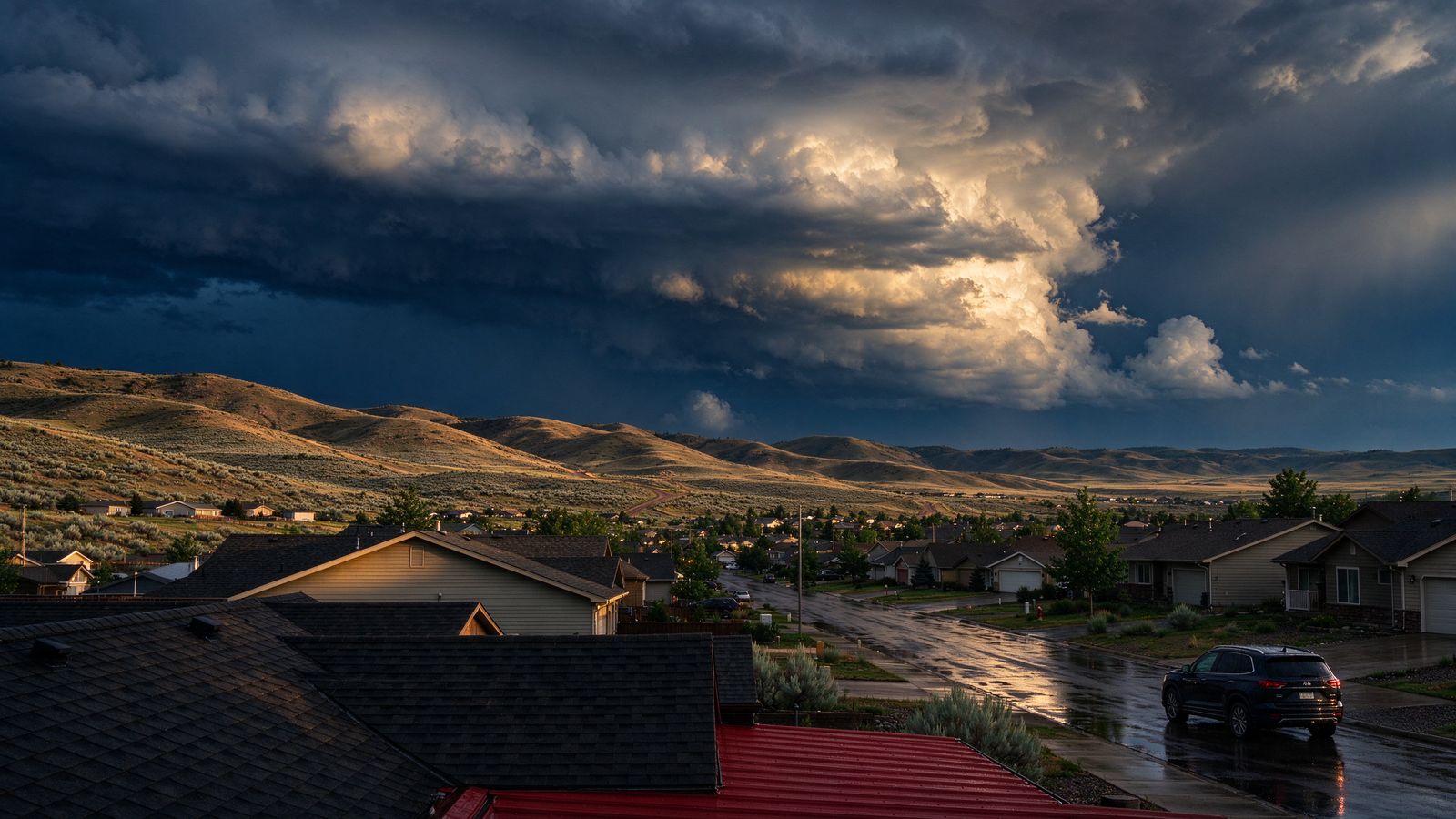
A summer thunderstorm rolls across the valley, maybe with hail. Within days, crews from out of the area appear, knocking on doors in the neighborhoods the storm hit hardest. The pitch has four acts, and each one is designed to rush a decision that should take a week.
-
The Knock.
A free inspection, offered at the door. Some inspectors are honest; some photograph damage that is not yours or create it.
-
The Urgency.
"Your neighbors already signed." "Your insurer has a deadline." Pressure replaces evidence.
-
The Paper.
A short form that turns out to be a contract or an assignment of your insurance claim.
-
The Deposit.
Money up front for materials, then a long silence or a rushed, poor install.
Not every door knocker is a scammer, and some local roofers canvass too. The difference shows up when you slow things down. A legitimate contractor is fine with you checking their registration and insurance, getting other bids and reading the contract. A storm chaser's business model depends on you not doing those things.
Red flag checker
Tick anything you have actually seen or heard. Nothing you check is sent anywhere.
Your tally
0
Nothing flagged yet
After a hailstorm: a calmer sequence
Hail damage is real, and Treasure Valley storms do sometimes produce it. But a damaged roof rarely needs a signature the same afternoon. If there is an active leak, a temporary tarp is a reasonable short-term fix, and you can pay for that alone without committing to a full replacement.
- Photograph the roof from the ground, gutters, downspouts, siding and any dents on cars or outdoor equipment, with dates.
- Call your insurance company and ask how they want the claim started and whether they send their own adjuster.
- Find two or three roofers yourself and run them through the vetting steps.
- Let them inspect and compare their findings with the adjuster's report.
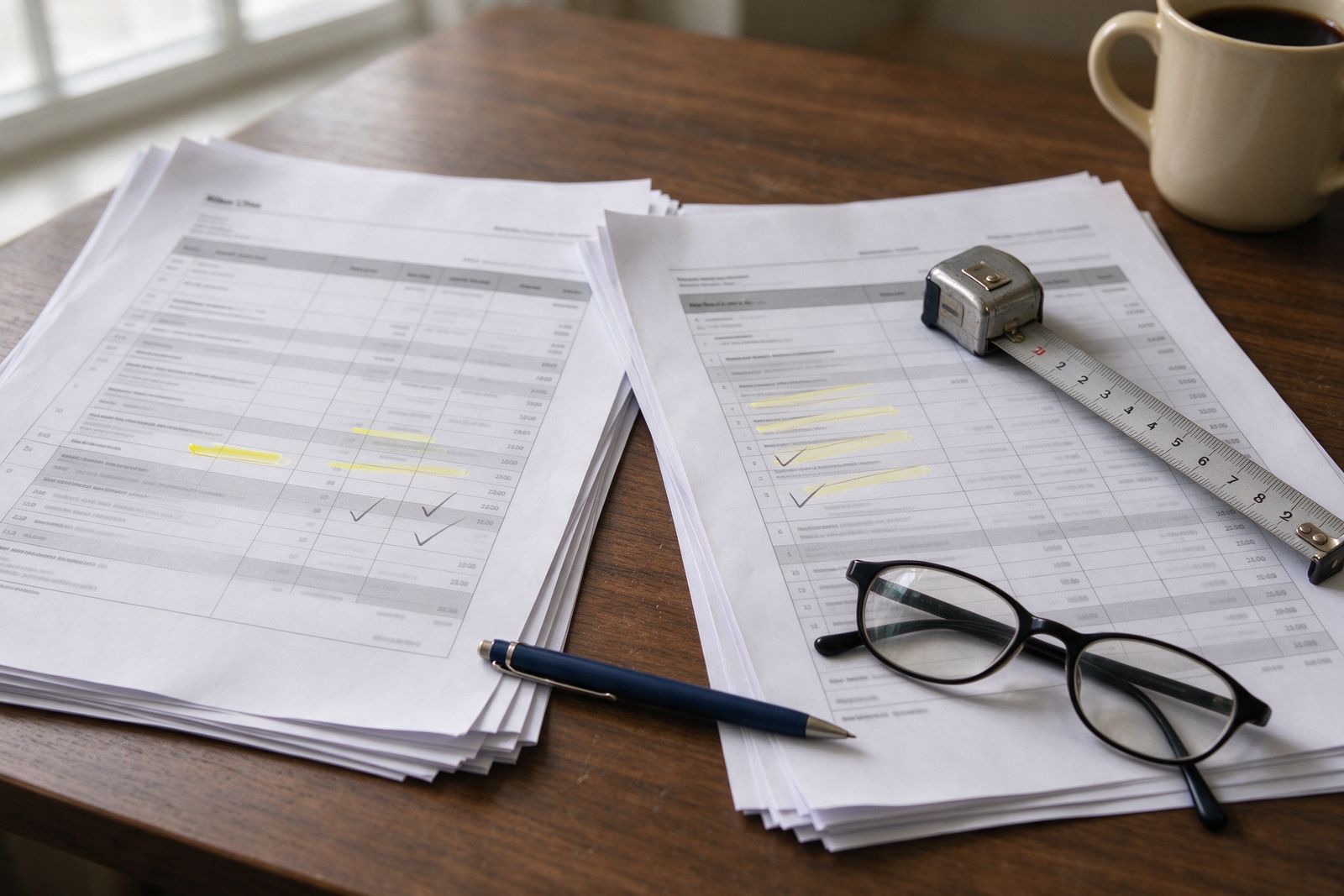
- Compare scopes using the bid worksheet before signing anything.
Be wary of anyone who wants to go on your roof alone and then shows you photos of damage. Ask to see it yourself from a ladder, or ask a second roofer to confirm it.
Deductibles and assignment forms
Two offers come up often after storms. The first is to "cover" or "absorb" your deductible. Your deductible is your share of the loss under your policy; a contractor who offers to make it disappear may be inflating the claim to make up the difference, which can create serious problems for you as the policyholder. Ask your insurer before agreeing to anything like this.
The second is a form, sometimes called an assignment of benefits or a direction to pay, that hands some control over your claim or the insurance money to the contractor. Some versions are routine; others make it hard to change contractors or dispute the scope. Never sign one at the door. Read it, ask your insurer what it means for your claim, and get legal advice if anything is unclear. The contracts guide has more on claim-paid jobs.
If you already signed something
- you signed recently and regret itread the cancellation terms right away; some door-to-door sales come with a cancellation window under consumer law
- you paid a deposit and the roofer went quietsend a dated written request for a start date or refund
- you believe you were defraudedcontact the Idaho Attorney General's consumer protection office and your local police
- the work was done badlydocument it with photos and get a written assessment from another roofer
Consumer protection rules and cancellation rights vary by situation, so confirm what applies to you with the state or a lawyer. And if you would rather begin from a calmer place, tell us about your project and we will reply by email.
Quick answers
Are all door-to-door roofers scammers?
No. Some reputable local companies canvass after storms. The test is how they react when you slow down: a legitimate roofer is comfortable with you checking registration and insurance, getting other bids and reading the contract first.
Should I let someone inspect my roof for free?
You can, but stay involved. Ask to see the damage yourself or get photos with something recognizable from your house in the frame, and have a second roofer you found yourself confirm it before you act.
What is the safest way to pay a roofer?
By check or another traceable method, made out to the business named in the contract, in amounts that follow completed work. Avoid cash and avoid payments to individuals.
Who do I contact if I think I was scammed?
The Idaho Attorney General's consumer protection office handles consumer complaints, and local police can take a report for suspected fraud. Keep every document, text and payment record.